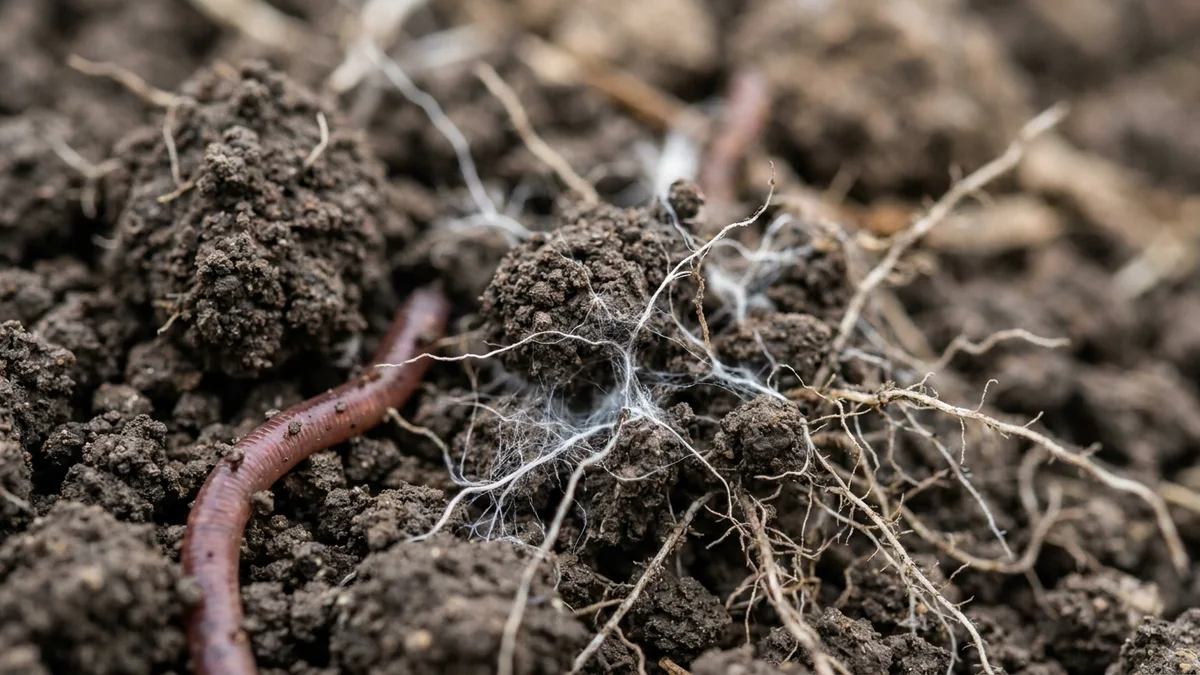
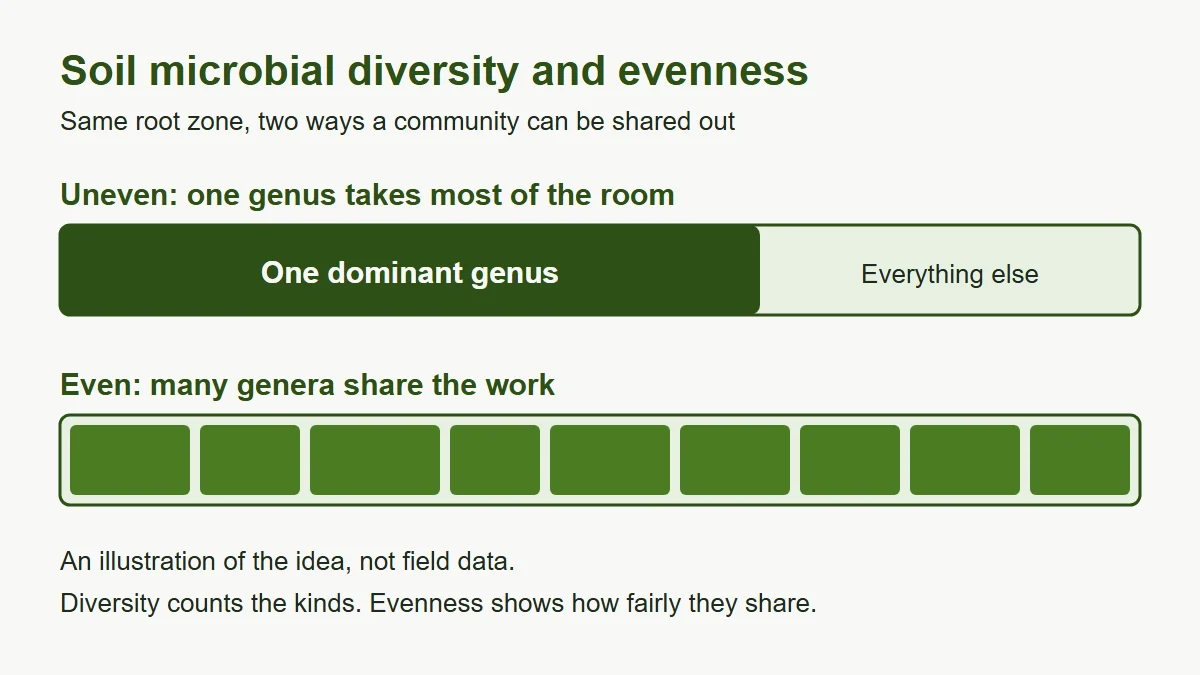
Soil microbial diversity is the number of different kinds of microbes living around your crop roots, and evenness is how fairly they share the space. A healthy root zone has many genera with none crowding out the rest, and in RhizeBio’s 2025 analysis of a TNT strip, diversity climbed well above the control in the first weeks of the crop.
In our Talk Time session on the 2025 trial results, we walked through what RhizeBio, an independent soil microbiome lab, found in the root zone. This post unpacks the two words you will see on that kind of report, diversity and evenness, so you can read your own results with confidence.
What does microbial diversity mean on a soil report?
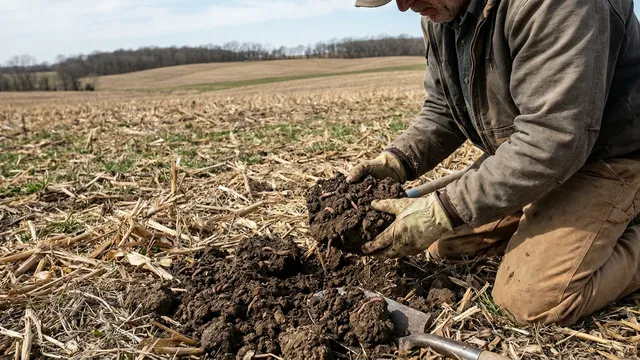
It is a head count of kinds, not of individuals. A lab takes soil shaken off the roots, sequences the DNA in it and lists the microbial genera it finds. A report with more genera on the list is the more diverse one.
Think of it like a work crew. A crew of fifty people who can all only dig is less useful than a crew of twenty with a welder, an electrician and a mechanic among them. In soil, the welders and electricians are the microbes that fix nitrogen, free up phosphorus, make potassium available or break down last year’s stalks. Diversity is a measure of how many trades are on site.
What is microbial evenness, and how is it different?
Evenness asks how the community is shared out. Picture two fields with the same number of genera. In one, a handful of genera each hold a fair share of the community. In the other, one genus holds most of it and the rest are squeezed into a corner. The first is even. The second is not, and a lab would score it low.
The two numbers go together. A field can list many genera and still be dominated by one, and a field can be even but short on kinds. What you want to see is both: many kinds, and none of them running the whole show.
Why does early colonization matter so much?
A seedling has a small root system and a short list of neighbors. Whatever moves into that root zone first sets the pattern for the weeks after. On our call it was put this way: what the lab has learned from many reports is that early colonization of the root system is a strong indicator of future plant health. You can hear the explanation in our TNT 2025 Trial Results session.
That is the thinking behind putting TNT HEF in the seed trench. HEF is naturally fermented whole saltwater salmon with over 70% volatile fatty acids, a potent biostimulator for fungi and bacteria alike. It draws beneficial microbes from the surrounding soil toward the seed, so the community that settles on the young root is a broad one.
What did RhizeBio find in the TNT strip?
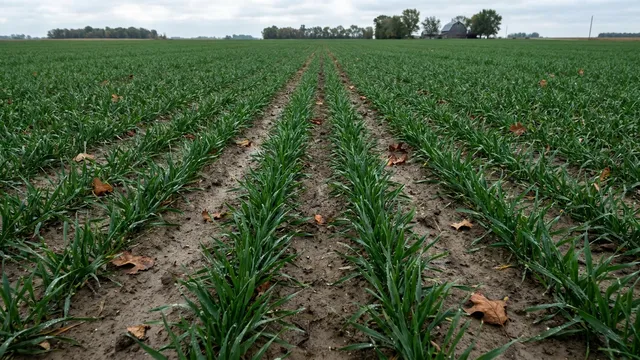
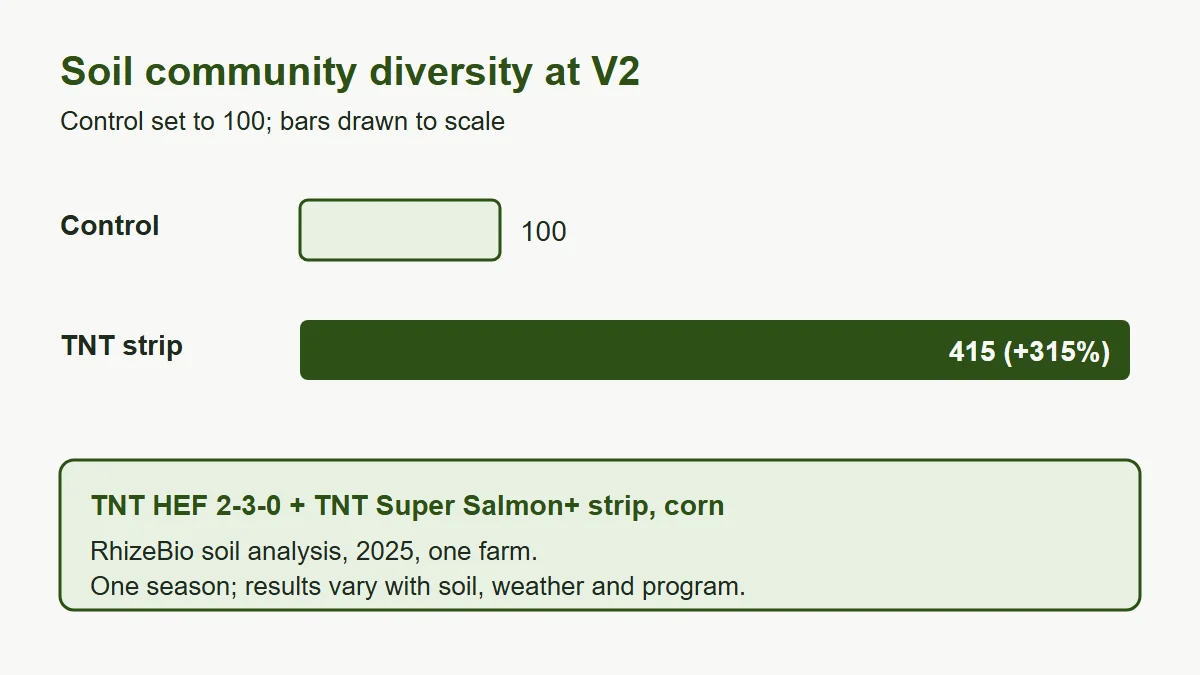
RhizeBio sampled a corn strip treated with TNT HEF 2-3-0 plus TNT Super Salmon+ against an untreated control at V2, V5 and V8. At the V2 sampling, soil community diversity in the treated strip was 315% higher than in the control. By V8, RhizeBio’s overall soil health score for the strip was 51% above the control. These are soil-biology observations from RhizeBio soil analysis, 2025, one farm.
Super Salmon+ adds kelp and chitin to a portion of the same fermented salmon, so the pairing gives the root zone more than one kind of food. A wider menu is one reason we would expect a wider range of microbes to show up and stay.
How do the numbers line up in one table?
| What RhizeBio reported | Stage | TNT HEF 2-3-0 + Super Salmon+ strip vs control |
|---|---|---|
| Soil community diversity | V2 | 315% higher |
| Potassium availability | V5 | 28.6% higher |
| Overall soil health score | V8 | 51% higher |
All rows are RhizeBio soil analysis, 2025, one farm, one season. Results vary with soil, weather and program. The study detail is on our reports page.
Why does a varied community matter to a farmer?
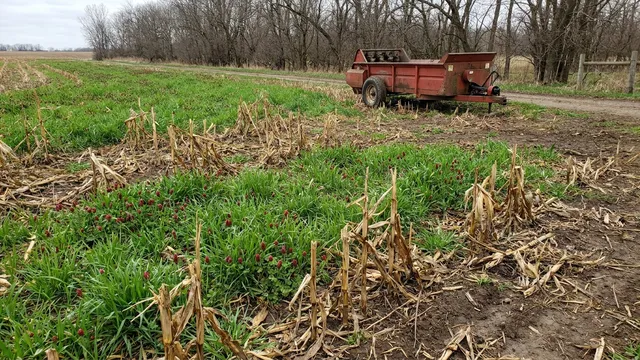
Because the microbes are the ones releasing nutrients. When many kinds share the work, release is steadier across the field and through the season. That counts on ground like the Ohio field in the 2025 trial, which ran from sand to clay, so strips sat in quite different soils.
It also changes how you read a soil test. A soil report tells you what is in the bank. The microbes decide how fast it gets paid out to the crop. Reading a biology report next to a standard soil test and a tissue test gives you the whole picture, which our post on soil tests and tissue tests walks through.
How did the crop come out in the 2025 corn trial?
In the 2025 corn trial on one Ohio farm, TNT ran two strip trials against the grower’s normal program. Both TNT strips cut the starter from 5 to 3 gal and added 2 qt/ac of TNT HEF in-furrow, and tissue tests said no extra nitrogen was needed, so the 60 gal side-dress was skipped.
- Trial 1 (HEF): 238 bu/ac against a 223 bu/ac control, with inputs of $58 against $145 per acre.
- Trial 2 (HEF plus 2 gal/ac Super Salmon+, no 28% at all): 232 bu/ac against a 245 bu/ac control strip, with inputs of $73 against $145, and it still came out ahead on input cost.
One farm, one season, and results vary. Read the trial design and every input on the reports page.
How do I check this on my own ground?
- Pick two strips on the same soil type. Treat one and leave one as your normal program.
- Sample at the same stage. Pull root-zone soil from both strips on the same day, early in the season and again later.
- Use the same lab for both. Ask for diversity and evenness on the report.
- Watch the field too. Faster residue breakdown, darker and looser soil and an earthy smell are the signs growers notice first.
TNT HEF goes in-furrow at 2 to 4 qt/ac. Request a free sample to run your own strip; our team has 20+ years of experience with fermented salmon programs and will help you lay it out.
The short version
- Diversity is how many kinds of microbes; evenness is how fairly they share.
- Early colonization of the root sets the pattern for later plant health.
- RhizeBio measured 315% more soil community diversity at V2 in the TNT HEF 2-3-0 + Super Salmon+ strip (2025, one farm).
- Read biology, soil and tissue tests together, and always keep an untreated strip.