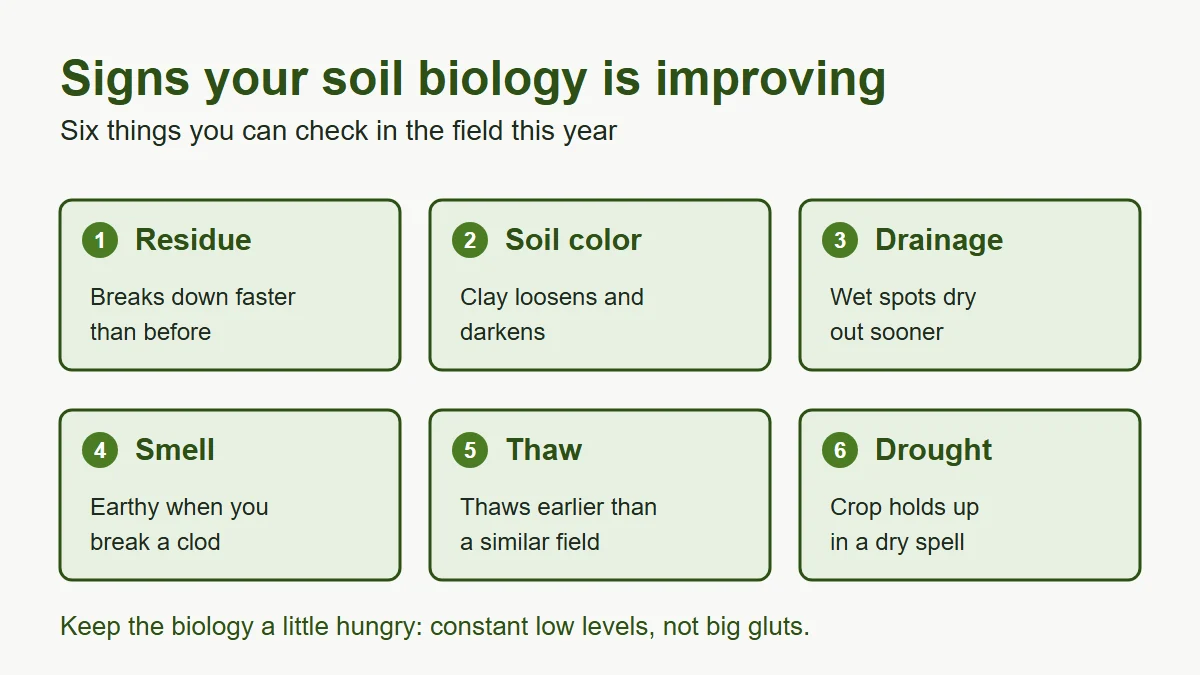
The signs are things you can see and smell: residue that disappears faster, soil that loosens and darkens, wet spots that drain, a stronger earthy smell, an earlier spring thaw and a crop that holds up better in dry weather. Together they tell you the soil life is working harder, and you can check every one without a lab.
This list comes from one of our open Coffee Shop grower sessions, “Coffee Shop (Dec 15, 2022): Lessons from 2022, Part 1”. Growers and soil-biology people compared what they had watched change in their fields. We have lined it up with TNT’s own soil-biology notes so you can use it as a checklist.
What are the six signs of improving soil biology?
Here they are in one table. Use it on a walk-around in spring and again after harvest.
| Sign | What you see | How to check it | When growers notice it |
|---|---|---|---|
| Residue breakdown | Stalks and straw gone or crumbling by spring | Photograph the same strip each spring | Year 2 on |
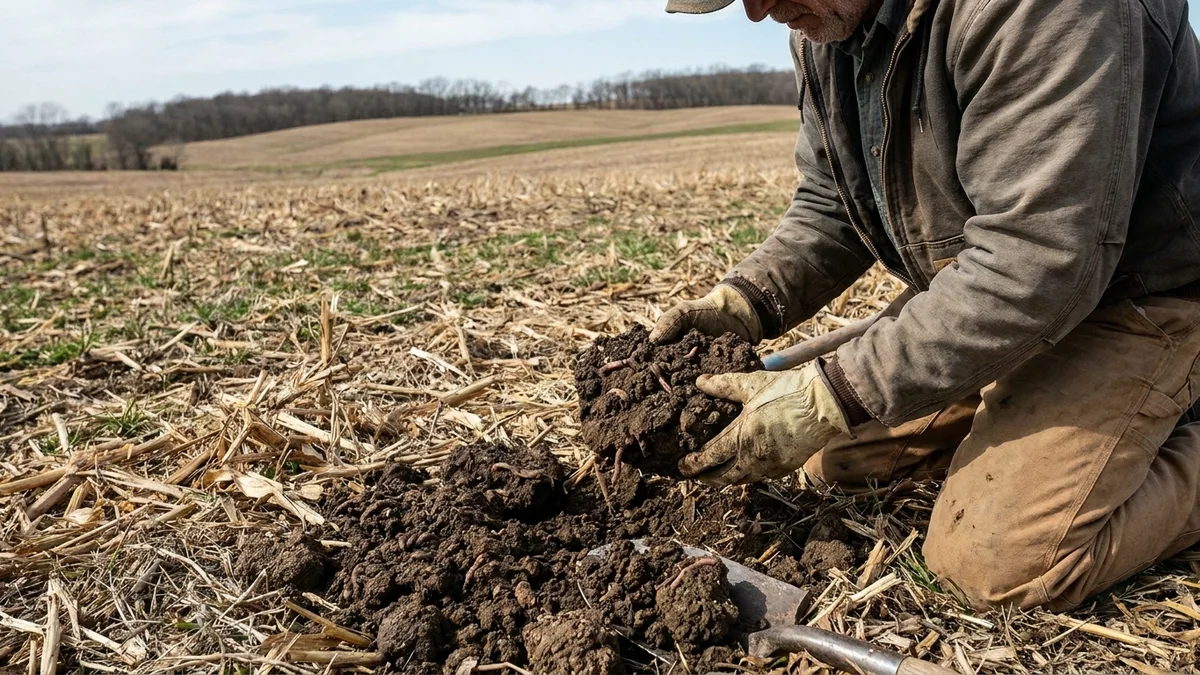
| Structure and color | Clay loosens and darkens | Dig a spade and compare with a headland | Years 1 to 2 |
| Drainage | Wet spots dry out sooner | Mark the wettest spot and check after rain | Years 2 to 3 |
| Smell | A clear earthy smell when you break soil | Break a clod and smell it | Any year |
| Thaw | Soil thaws earlier than a comparable field | Compare against a neighbor in March | Year 2 on |
| Drought holding | Your crop stays upright and green in a dry stretch | Note leaf color in a dry stretch | Year 3 on |
How fast should residue break down?
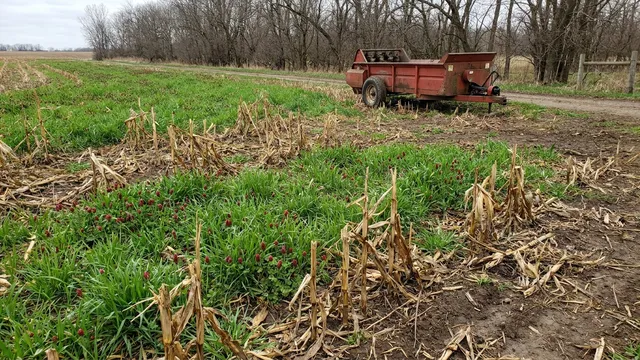
Faster than it used to. One grower on the call described the first farm he started on: soil he called utterly dead, corn on corn for four years, then soybeans, then wheat. After two years of biological work and one pass of light tillage about an inch deep, there were not even corn stalks left. As another grower put it, if you get good residue breakdown, you are getting good nutrient cycling.
TNT’s soil-biology notes list fast residue breakdown among the good signs. If you want to give breakdown a push after harvest, TNT Trash Buster goes on at 2 gal/acre in at least 10 gal of water per acre. See the Trash Buster page for the label.
What do structure, color and drainage tell you?
If you farm clay and it starts to loosen and darken, that is the structure opening up. Water follows: wet spots that used to hold water disappear sooner. Another grower told us a cover crop with tillage radish did that for two swampy low spots. A year after the radish went in, he could drive through them in spring like it was nothing.
In TNT’s notes, loosening structure and fast water drainage are both on the list of good signs. Fungal activity is one reason HEF is used where structure matters. TNT HEF is a potent biostimulant for fungi and bacteria and supports soil structure through that fungal activity.
Why does smell count as a test?
Because it is free and fast. Break a clod. Healthy soil smells like soil, and the stronger and earthier the smell, the better the soil is doing. It is not a lab test, but if the smell grows richer over a few seasons, that is a real change worth writing down.
Does an earlier thaw really mean something?
Growers on the call said it does. They noticed fields with vegetative cover and active biology thawing sooner than a comparable field next door. One had dug through over a foot of snow to find thawed soil and worms moving under the residue in December and January. A plowed field will not show this, so compare like with like: same soil type, similar residue cover.
What does better drought resistance look like?
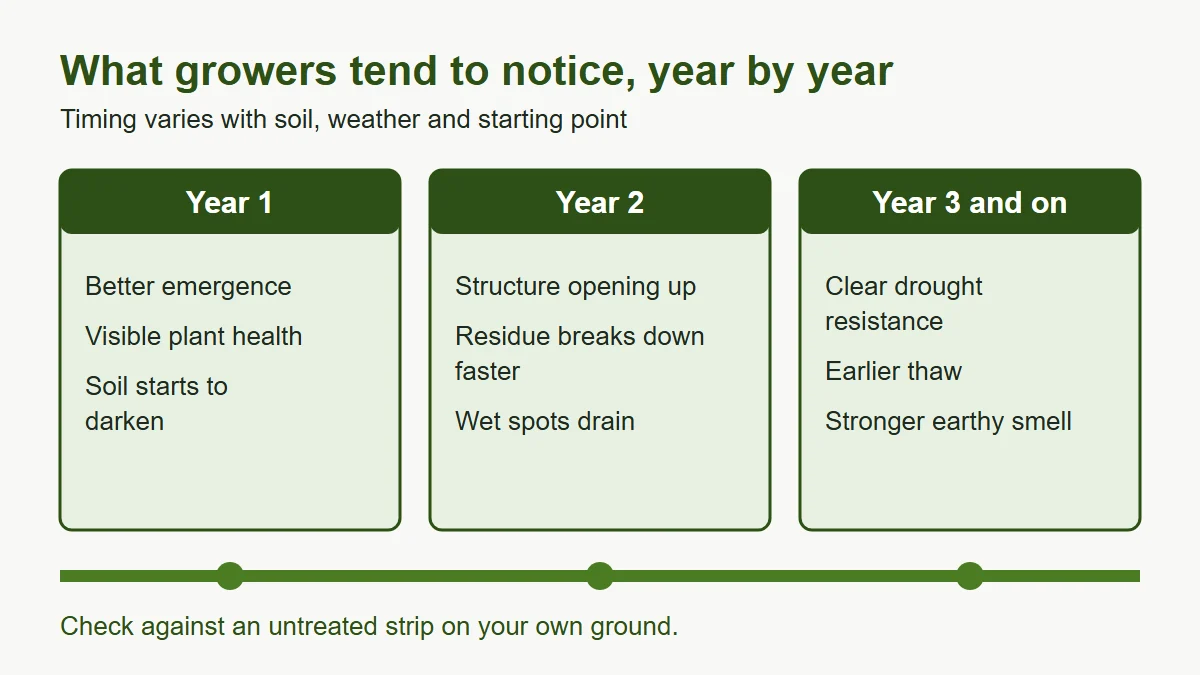
A dry spell comes and your crop stays upright and green while a comparable field nearby starts to wilt. In TNT’s recovery timeline, this is the sign that shows up in year 3 and beyond. Mycorrhizal fungi are part of that story: the network helps spread water through the soil and gets it to the plant. Roots that reach more soil have more to draw on.
Why keep the biology a little hungry?
This is the point we heard most. Natural systems run on constant low levels of nutrients, not big gluts. A soil life that has the whole pantry handed over has little reason to work. Give it a lunch bag instead. TNT’s program is built on that: a biostimulant like TNT HEF 2-0-0 gives the fungi and bacteria a push, and the soil life does the rest.
The same thinking explains why soluble phosphorus can tie up with calcium, iron and aluminum in the soil, which is why TNT pairs a biological program with soil tests that show what is available to the plant, such as H3A phosphorus and calcium.
Can I back up what I see with data?
Yes, and it helps. In 2025 TNT worked with RhizeBio on one cooperating Ohio farm. In a corn strip treated with TNT HEF 2-3-0 plus TNT Super Salmon+, RhizeBio’s DNA sequencing showed 315% more soil community diversity than the control at V2, and its overall soil health score for the strip was 51% above the control by V8 (RhizeBio soil analysis, 2025, one farm). That is one farm and one season, and results vary with soil, weather and program. The study detail is on the reports page.
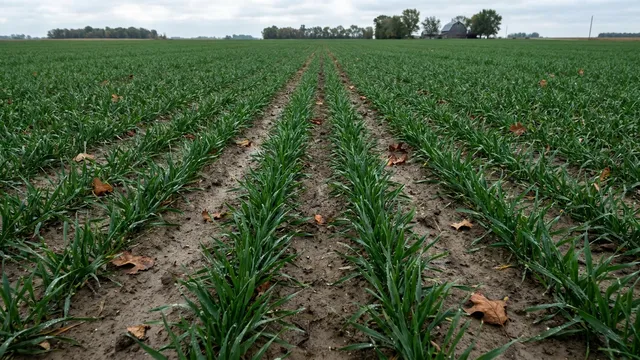
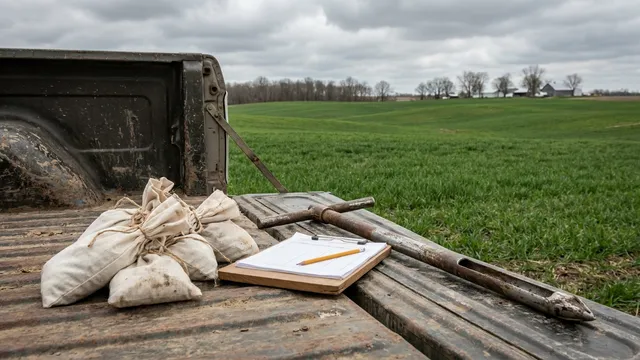
For your own farm, the cheap version is a notebook and a camera. Pick two or three fixed spots, check the six signs each spring, and keep one untreated strip beside the treated ground so you have something to compare against.
How do I start?
- Pick a field and a strip beside it that will stay as it is.
- Run a TNT HEF program at the label rate of 2 to 4 qt/acre in-furrow, and use the calculator to size it.
- Photograph residue, dig a spade, and note smell and drainage every spring.
- Give it three seasons before you judge it.
Want to try it on your own ground? Ask for a free sample and set up a strip.
The short version
- Six signs: residue, structure and color, drainage, smell, thaw, drought holding.
- Expect a three-year arc, not a one-season switch.
- Keep the biology a little hungry; constant low levels beat big gluts.
- Check against an untreated strip and write it down.