Get a Free Sample
Try TNT fish fertilizer on your own ground. No obligation, no credit card required.
How does the TNT free sample work?
Fill in the form below and it goes straight to the TNT sales team in Versailles, Indiana. The sample is for a strip trial on your own ground: treat a few strips, leave untreated strips beside them, and compare at the end of the season. Questions first? Call or text (574) 532-6201, weekdays 8 AM to 5 PM Eastern.
Request Your Free Sample
Rather text? Send us your acres, crop and state and we'll text back: Text 574-532-6201
We respect your privacy. Your information will never be shared with third parties.
Before you plant
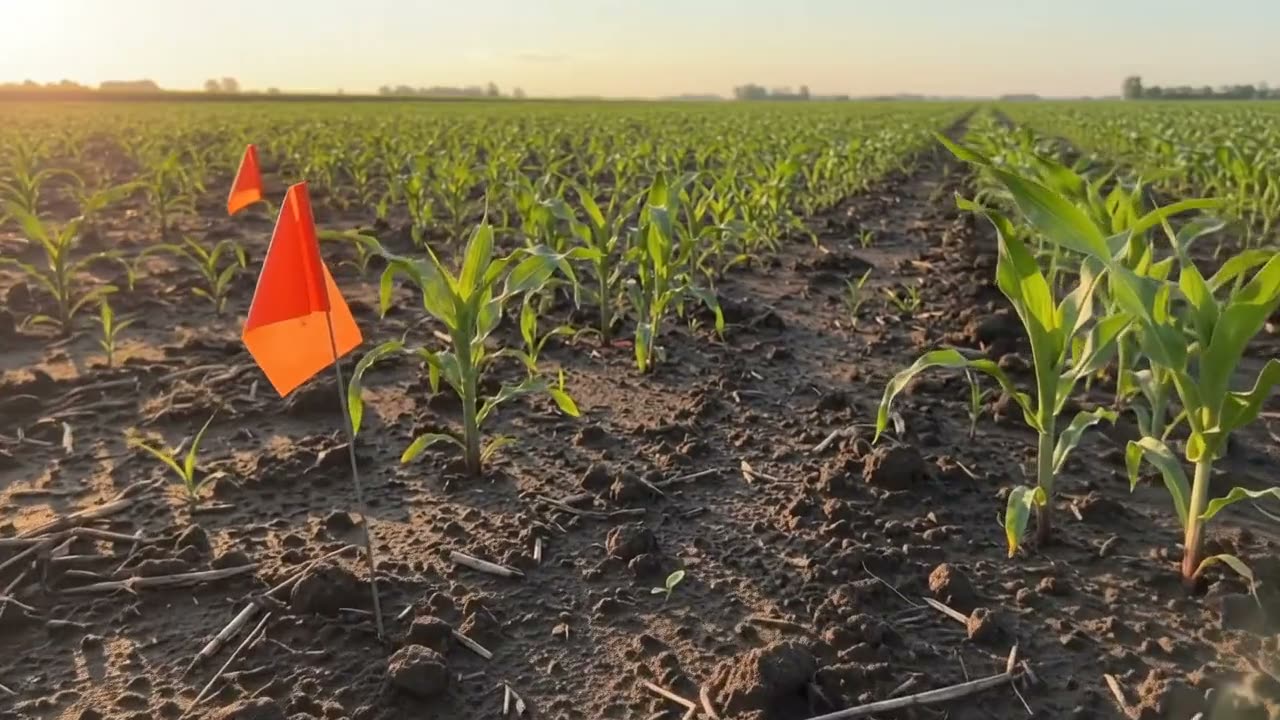
Run a strip trial on your farm
A sample is most useful when you can see what it did. Here is how TNT sets up its own trials, cut down to what a busy farm can actually follow through on.
-
Ask one question
For example: "Can I cut my side-dress nitrogen if I add TNT HEF in-furrow?" Change one thing if you can. If you compare whole programs, write down every difference.
-
Keep a control
Leave strips on your normal program. Without them you can't tell what the product did and what the season did.
-
Alternate the strips
Don't just split a field in half; one half can have different soil. The best layout is three trial and three control strips, alternating, so field differences spread across both. Size them to your planter, sprayer and combine so they stay separate all season.
-
Pick what you'll measure, and when
Yield, Brix, plant height, root mass, stand counts, tissue or soil tests. Set the dates up front. If you pull tissue samples, get results back fast enough to act on them, for example with a corrective foliar spray.
-
Write it down
One sheet: acres treated and untreated, products and rates, dates, then a column each for trial and control results. Leave room at the bottom for your conclusion, answering the question from step 1.
A quick first check: the bucket test
Take a bucket of water to the field and dig up a plant from a trial strip and one from a control strip. Leave some soil on the roots (on sandy ground, keep as much as you can), dunk the roots like a mop, swish them around and let the bucket sit. The froth that builds on top shows how much soluble food the root-zone microbes have to work with. It is a quick, visual pulse check of root-zone activity, the same idea a Haney soil test measures with instruments, and a good thing to do alongside your strips.
Want help laying it out? Call (574) 532-6201. See how TNT ran its own: 2025 corn trial · "Trials: Yours and Ours" video · Full step-by-step guide