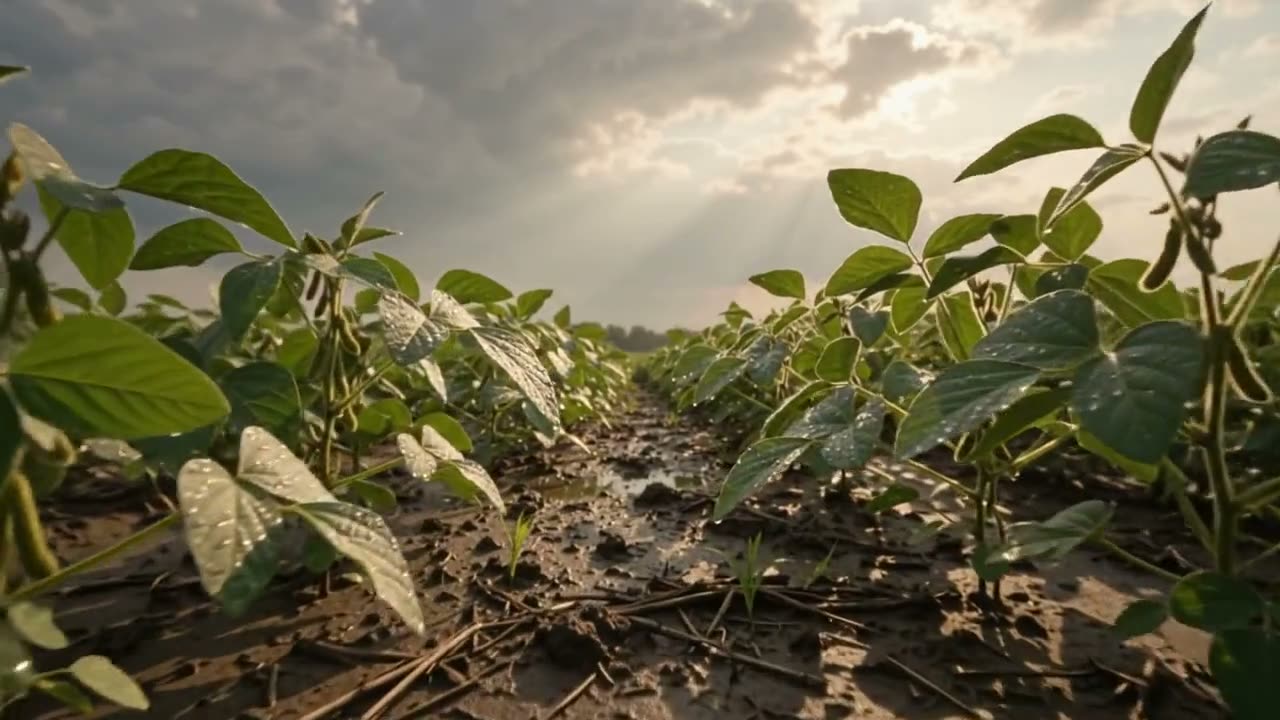
How to Manage Plant Stress
Plan for heat, cold and other stress events before they hit
Symptoms
- Leaf scorching or burning
- Wilting despite adequate moisture
- Purple or red coloration (cold stress)
- Delayed development
- Flower/fruit abortion
- Reduced pollination success
Common Causes
- Temperature extremes (heat or cold)
- Rapid weather changes
- High winds
- Hail or storm damage
- Chemical stress (herbicide carryover)
- Salt stress in soil
The Solution
TNT Super Salmon+ is a fortified salmon hydrolysate with kelp, chitin, amino acids and volatile fatty acids. Its label describes short- and mid-term nutrition and phytochemicals that can help reduce insect and disease pressure. Growers use it around heat, cold and other stress events.
Before Stress Events
When extreme weather is forecast, apply preventatively 24-48 hours before the event if possible.
During Stress Periods
If stress has already begun, apply as soon as practical, early morning or evening.
Recovery Support
After stress passes, apply HEF to support recovery and resumed growth.
Ongoing Protection
During stress-prone periods (mid-summer heat, early spring cold), maintain regular applications every 14-21 days.
Prevention Tips
- Build plant health throughout the season
- Apply biostimulants during vulnerable growth stages
- Maintain good soil moisture when possible
- Support root development for stress resilience
- Monitor weather forecasts for proactive application
Expected Results
Frequently Asked Questions
How does Super Salmon+ protect against stress?
Can I apply during a heat wave?
Will this help with herbicide stress?
Need Help With Plant Stress Management?
Contact our team for personalized recommendations.