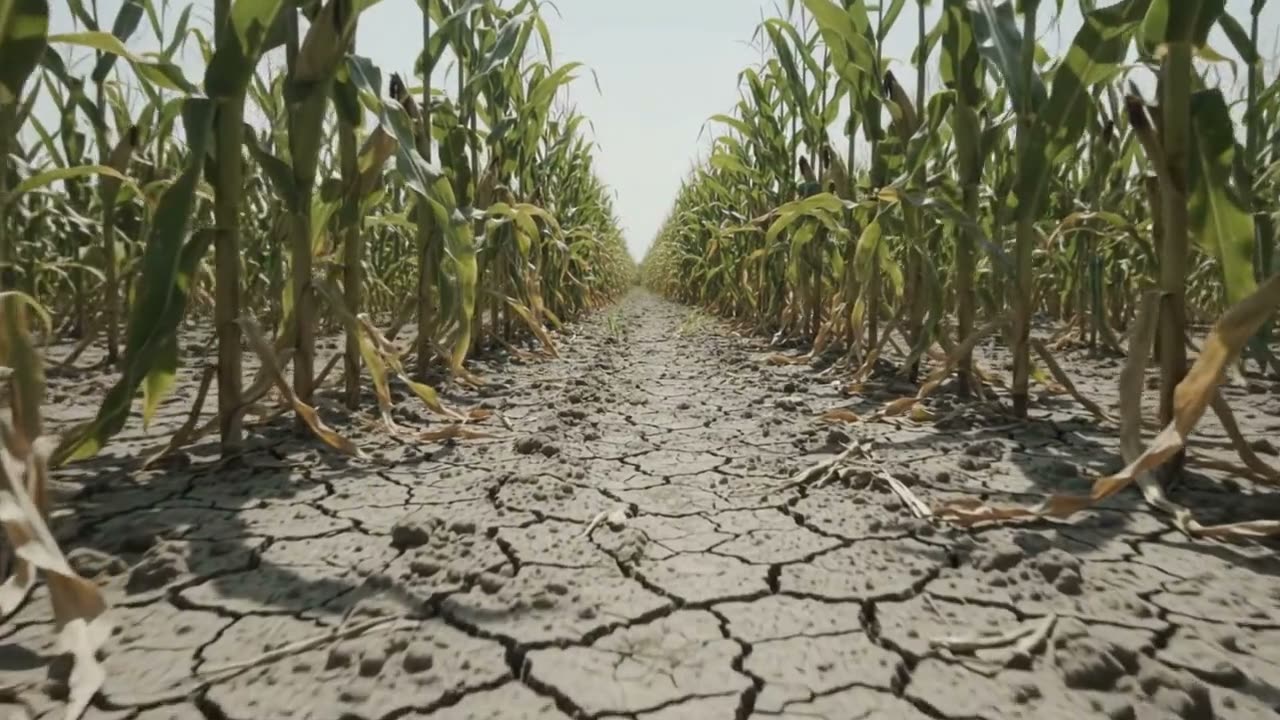
How to Protect Crops from Drought Stress
Build plant resilience and minimize yield loss during dry conditions
Symptoms
- Leaf rolling or curling (especially in corn)
- Wilting during afternoon heat
- Gray-green or bluish leaf color
- Premature leaf firing from bottom up
- Shortened internodes and stunting
- Poor pollination and kernel abortion
Common Causes
- Insufficient rainfall or irrigation
- High temperatures increasing evapotranspiration
- Shallow root development
- Poor soil water-holding capacity
- Compacted soil limiting water infiltration
- Wind increasing moisture loss
The Solution
TNT Super Salmon+ is a fortified salmon hydrolysate with kelp, chitin, amino acids and volatile fatty acids. Growers use it ahead of and during heat and drought stress. No input replaces rain, so pair it with the water-saving practices below.
Preventative Application
Apply before drought stress occurs, ideally when extended dry conditions are forecast. This builds stress tolerance before plants need it.
At First Signs of Stress
When you see early stress symptoms (leaf rolling, color change), apply immediately. Early intervention prevents cumulative damage.
Support Root Function
Add HEF 2-0-0 to feed the soil biology around the roots. Jar-test the mix first.
Post-Drought Recovery
After rainfall returns, apply again to support recovery. Stressed plants need extra nutrition to resume normal growth.
Prevention Tips
- Build soil organic matter to improve water retention
- Apply biostimulants early in season for root development
- Maintain soil biology for better soil structure
- Reduce tillage to preserve soil moisture
- Use cover crops to improve infiltration
Expected Results
Frequently Asked Questions
How does fish fertilizer help with drought stress?
When should I apply for drought protection?
Can I save a severely drought-stressed crop?
Need Help With Drought Stress?
Contact our team for personalized recommendations.